
How Merit Lists Are Prepared in Government Recruitment
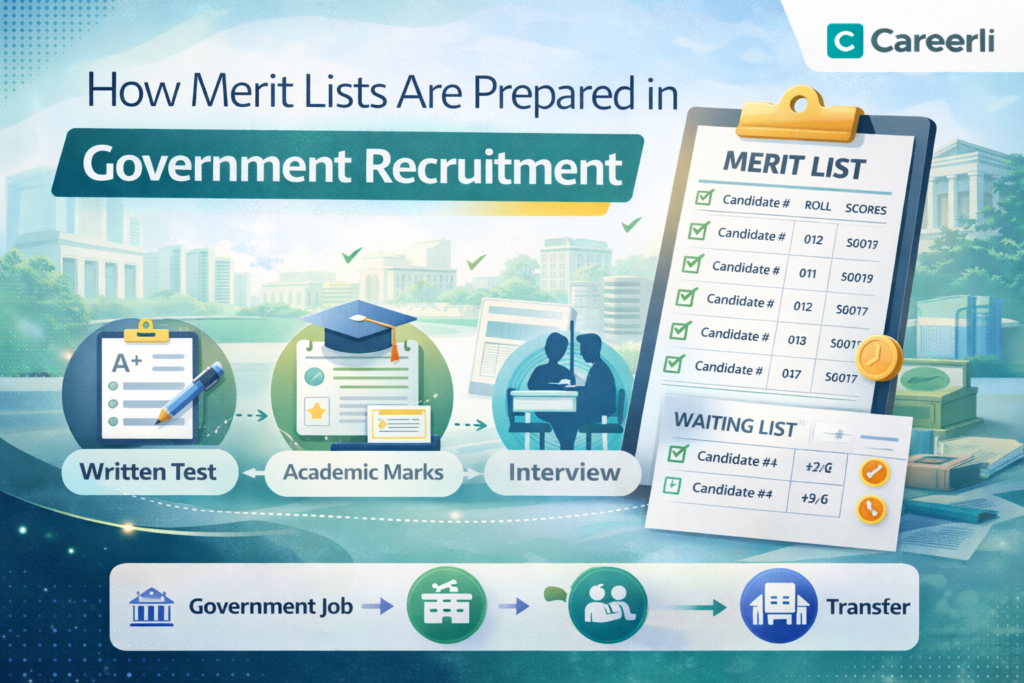
One of the most important stages in government recruitment is the preparation of the merit list. Candidates often wonder how final selections are made after written tests and interviews. Understanding how merit lists are prepared can help applicants better evaluate their chances and approach the recruitment process more strategically.
Government recruitment in Pakistan is designed to follow a transparent and merit-based system. Whether hiring is conducted by public service commissions, autonomous bodies, or government institutions, the final selection typically depends on a structured merit calculation process that combines different evaluation stages.
What Is a Merit List?
A merit list is an official ranking of candidates based on their performance in recruitment assessments. These assessments may include written examinations, interviews, professional tests, or academic record evaluations.
The purpose of the merit list is to ensure that candidates with the highest overall scores are selected for available vacancies. In most cases, only candidates whose names appear on the final merit list receive appointment offers.
Stages That Contribute to Merit Calculation
The merit list is usually prepared after multiple evaluation stages. Although the exact method may vary between organizations, most government recruitment processes follow a similar pattern.
1. Written Test Performance
The written test is usually the first major screening stage. This test may consist of multiple-choice questions (MCQs), descriptive papers, or subject-specific assessments.
Written tests help recruitment authorities shortlist candidates who meet the required knowledge level for the position. In many cases, candidates must achieve a minimum passing score before moving to the next stage.
2. Academic Qualification Marks
Some departments also allocate a percentage of the merit score to academic qualifications. Degrees, professional certifications, and overall academic performance may contribute to the candidate’s merit position.
Higher qualifications sometimes receive additional marks, especially in technical or specialized roles.
3. Interview Evaluation
After the written test, shortlisted candidates are invited for interviews. The interview panel evaluates the candidate’s professional knowledge, communication skills, confidence, and understanding of the job role.
Interview scores are added to the written test marks to determine the final ranking.
4. Experience and Professional Skills
For senior or specialized positions, relevant work experience may also contribute to merit calculation. Some institutions assign additional marks for professional experience in the same field.
This ensures that experienced candidates are recognized during the recruitment process.
Role of Quotas in Merit Lists
While merit plays a central role in government recruitment, Pakistan’s public sector also follows a quota system. Vacancies may be distributed according to:
- Provincial quotas
- Women quota
- Minority quota
- Disabled persons quota
This means that candidates compete within their respective quota categories rather than a single nationwide ranking.
Document Verification Before Final Selection
Before finalizing the merit list, departments usually conduct document verification. Candidates must present original documents including educational degrees, domicile certificates, and identification documents.
Applicants who fail to provide accurate documentation may be removed from the merit list. For example, certain recruitment processes may require additional documentation such as a No Objection Certificate (NOC) if the candidate is already working in a government department.
Publication of Merit Lists
Once all evaluation stages are completed, the recruiting authority publishes the merit list. This list usually includes:
- Candidate names
- Roll numbers
- Final scores
- Selected or waiting list status
The merit list may be published on the official website of the recruiting organization or the testing agency responsible for the examination.
Waiting Lists and Additional Selections
In many recruitment processes, authorities also prepare a waiting list. Candidates on the waiting list may receive offers if selected candidates decline the position or fail to complete verification requirements.
This ensures that vacancies are filled without repeating the entire recruitment process.
Merit Lists in Autonomous Institutions
Autonomous institutions and universities may follow slightly different recruitment procedures compared to public service commissions. However, the basic concept of merit ranking remains the same.
For instance, recruitment announcements such as Karachi Metropolitan University KMU KMDC Jobs 2026 typically involve screening tests, interviews, and evaluation of qualifications before preparing the final merit list.
Common Misconceptions About Merit Lists
Many candidates believe that written test marks alone determine final selection. In reality, the merit calculation often includes multiple factors such as interview scores and academic qualifications.
Another misconception is that merit lists are influenced by external factors. Government recruitment systems are designed to minimize such risks through standardized testing and transparent evaluation procedures.
Tips to Improve Your Position in Merit Lists
Candidates can improve their chances of ranking higher in merit lists by preparing thoroughly for each stage of the recruitment process.
- Prepare well for written examinations
- Maintain accurate academic documentation
- Develop strong interview communication skills
- Gain relevant professional experience when possible
Strong preparation across all stages significantly increases the likelihood of securing a position.
Final Thoughts
Merit lists are a crucial component of government recruitment in Pakistan. They ensure that candidates are selected based on performance, qualifications, and suitability for the role.
By understanding how merit calculations work and preparing accordingly, candidates can approach the recruitment process with greater confidence and clarity. Whether applying through public service commissions or autonomous institutions, success ultimately depends on consistent preparation and strong performance throughout the selection process.